POST EDUCATION
Life Beyond the Classroom
The transition out of formal education is a massive milestone—and it’s completely normal to feel a mix of excitement and anxiety about what comes next. For young people with additional needs, the path forward isn’t always a straight line, and that is perfectly okay.
School may be ending, but the journey toward purpose, connection, and independence is just beginning. Our goal is to help you and your young adult navigate the incredible options available to build a life filled with meaning and milestone moments.
Pathways to Growth & Independence
Explore the different ways your young adult can build confidence, learn new skills, and find their place in the wider world.
-
Volunteering is often the perfect, low-pressure bridge between education and adulthood. It offers a structured routine, community connection, and a safe space to discover hidden talents without the strict pressure of a paid role.
Why it helps: Builds social skills, boosts self-esteem, and creates a sense of civic pride and belonging.
How we support you: We help identify inclusive local organizations, charities, and community projects that align with your child’s unique passions.
-
Whether it is supported employment, internships, or traditional workplaces, every young person deserves the chance to contribute their skills. Work provides financial independence, routine, and a profound sense of identity.
Why it helps: Teaches accountability, problem-solving, and practical life skills while building a resume.
How we support you: We connect you with supported employment agencies, job coaches, Access to Work schemes, and employers who truly value neurodiversity and different abilities.
-
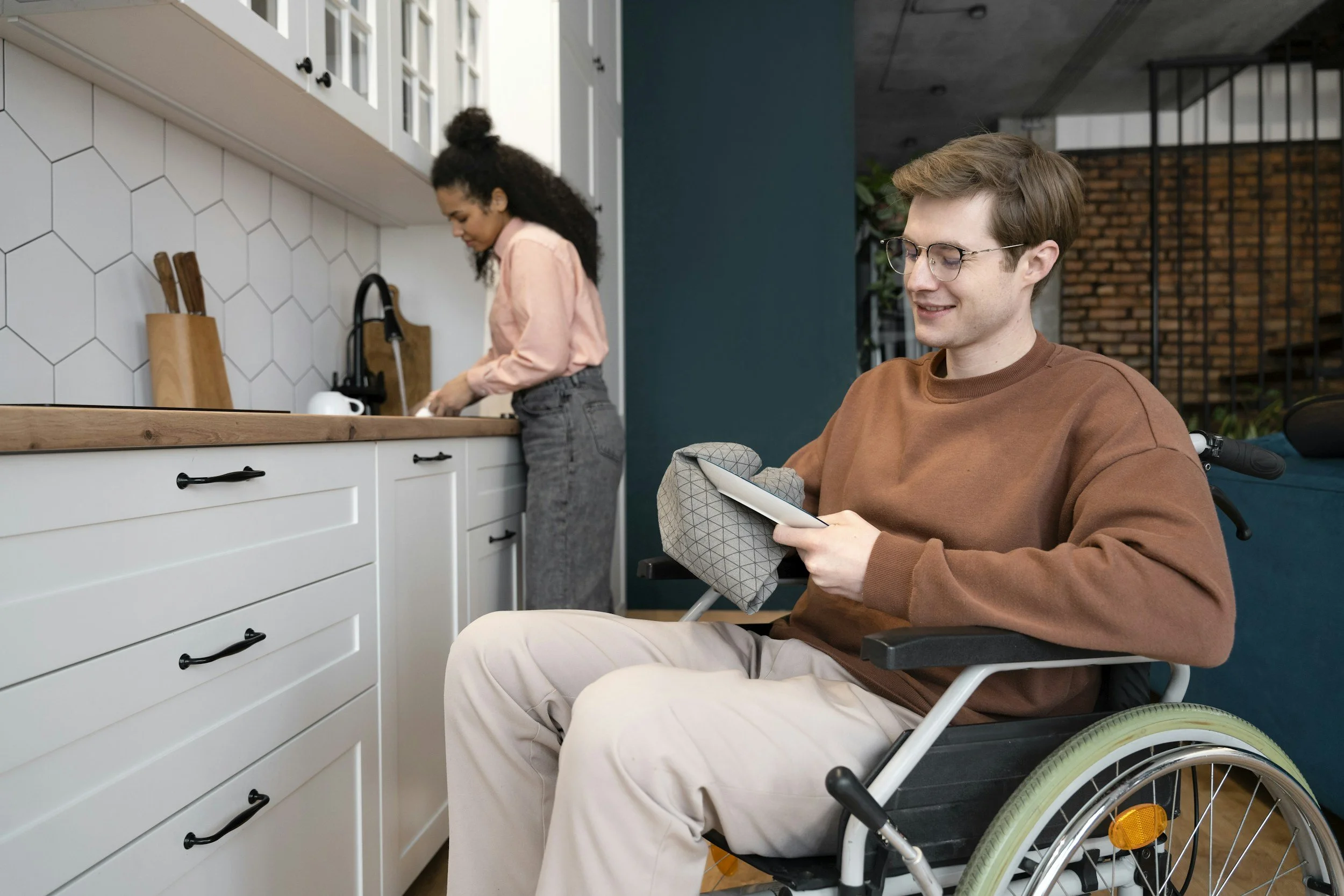
Moving out or learning to manage a household doesn't look the same for everyone. Independence is a spectrum. From learning to cook a basic meal at home to moving into a dedicated supported living community, we help you explore what "home" looks like next.
Why it helps: Fosters autonomy, self-reliance, and personal growth tailored entirely to their comfort level.
How we support you: We break down the complex world of housing options, from independent living with drop-in support to residential care communities, helping you understand funding and legalities.
"Where do we even start?"
Take a deep breath. You don’t have to figure this out overnight. Transition planning is a process of trial and error, celebration, and patience. The most important thing to remember is that your child’s timeline belongs entirely to them.
Our Post-Education Checklist
Identify Strengths: Focus on what they love doing, not just what they are "good" at.
Start Small: A two-hour volunteer shift or a weekend cooking class is a massive win.
Gather Your Team: Reach out to social workers, transition coordinators, and our community for guidance.