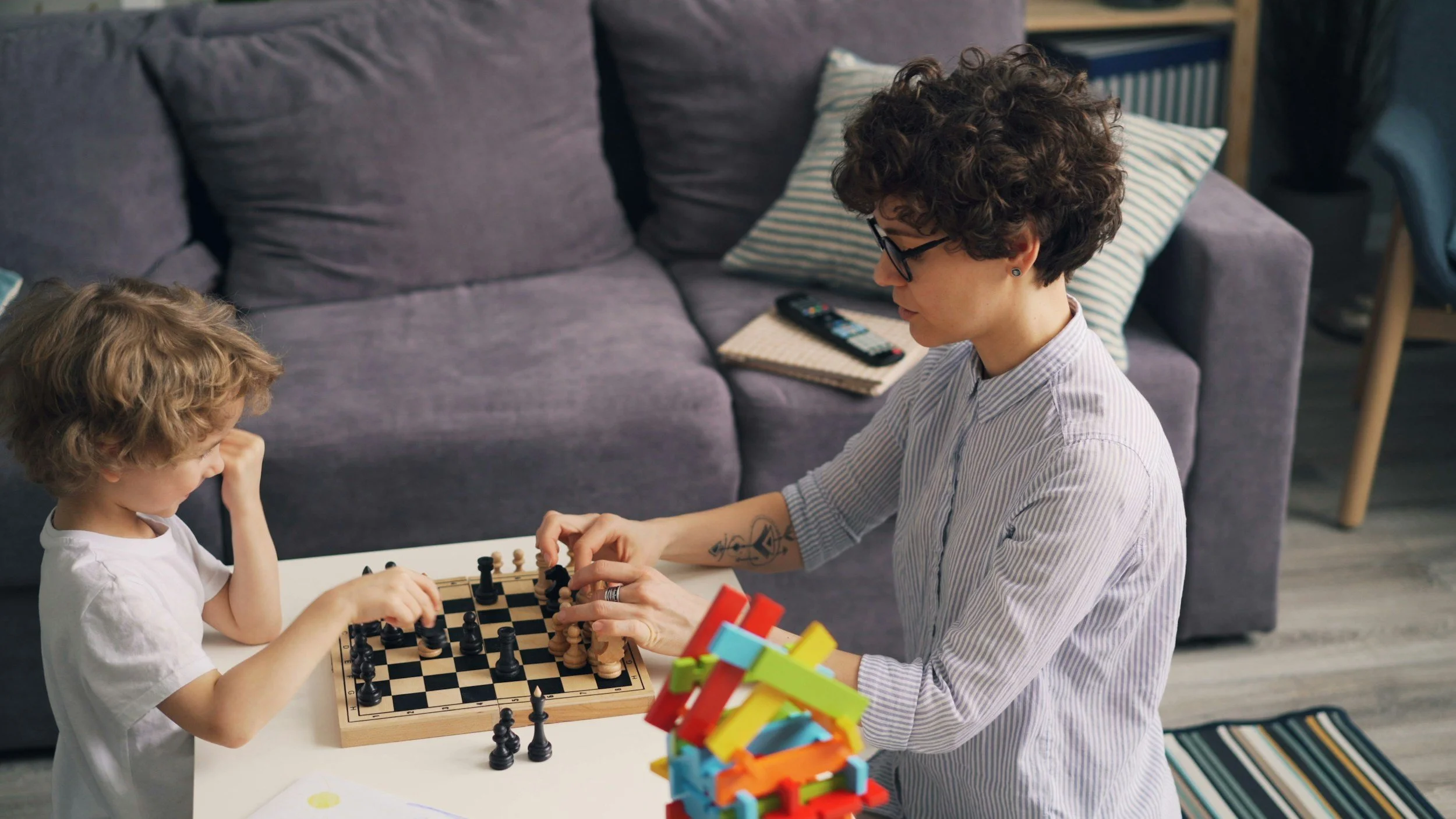
SOCIAL
Helping Your Neurodiverse Child Navigate Social Connections
As parents, we want our children to feel connected, understood, and valued. But for neurodiverse children—including those with autism, ADHD, or other learning and processing differences—traditional socialising can sometimes feel like trying to speak a different language without a dictionary.
Socialising doesn’t look the same for every child. Success isn’t about forcing your child to fit a conventional mould; it’s about helping them build meaningful connections on their own terms.
Because social needs shift dramatically as children grow, here are tailored strategies for supporting them through different stages of life.
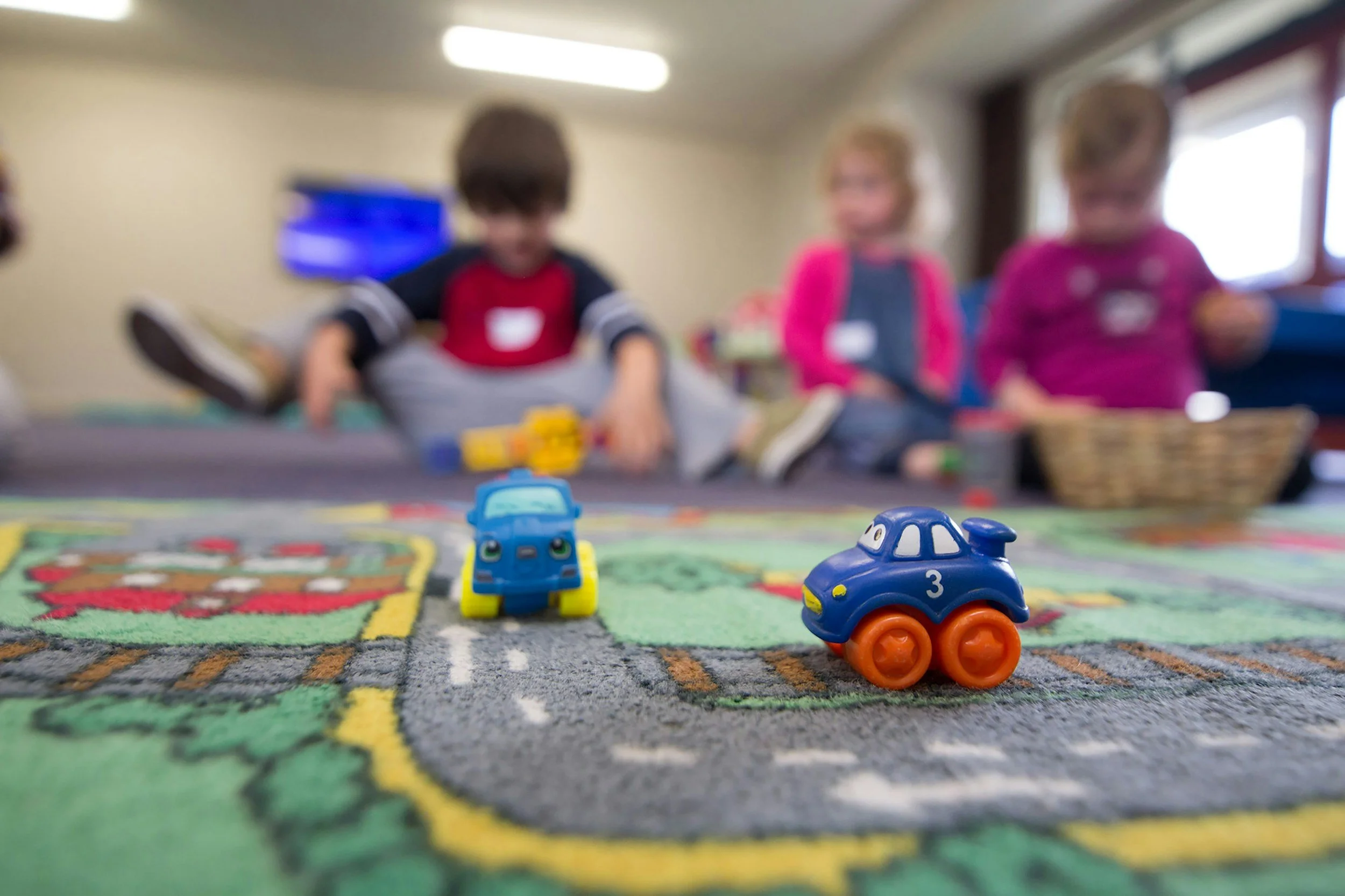
At this stage, social development is all about exploration, play, and learning the basic rhythm of interacting with others.
Embrace Parallel Play: Young neurodiverse children often prefer playing next to a peer rather than with them. This is a completely valid and comforting way for them to socialise. Do not force them to share or interact if they are content just sharing a space.
Use Visuals and Predictability: Social situations can cause anxiety if they feel unpredictable. Use visual schedules or simple drawings to map out a playdate ahead of time (e.g., "First we play blocks, then we have a snack, then say goodbye").
Keep Playdates Short and Structured: Co-playing for 45 minutes and leaving on a high note is much better than a two-hour playdate that ends in sensory overload. Center the meetup around a specific, shared sensory activity like LEGOs, playdough, or an outdoor playground.
Practice "Social Scripts": Use stuffed animals or role-play at home to practice basic interactions in a fun, zero-pressure way. Practice simple phrases like, "Can I play with the blue truck next?" or "I need space right now."
Early Years & Young Children (Ages 2–10)
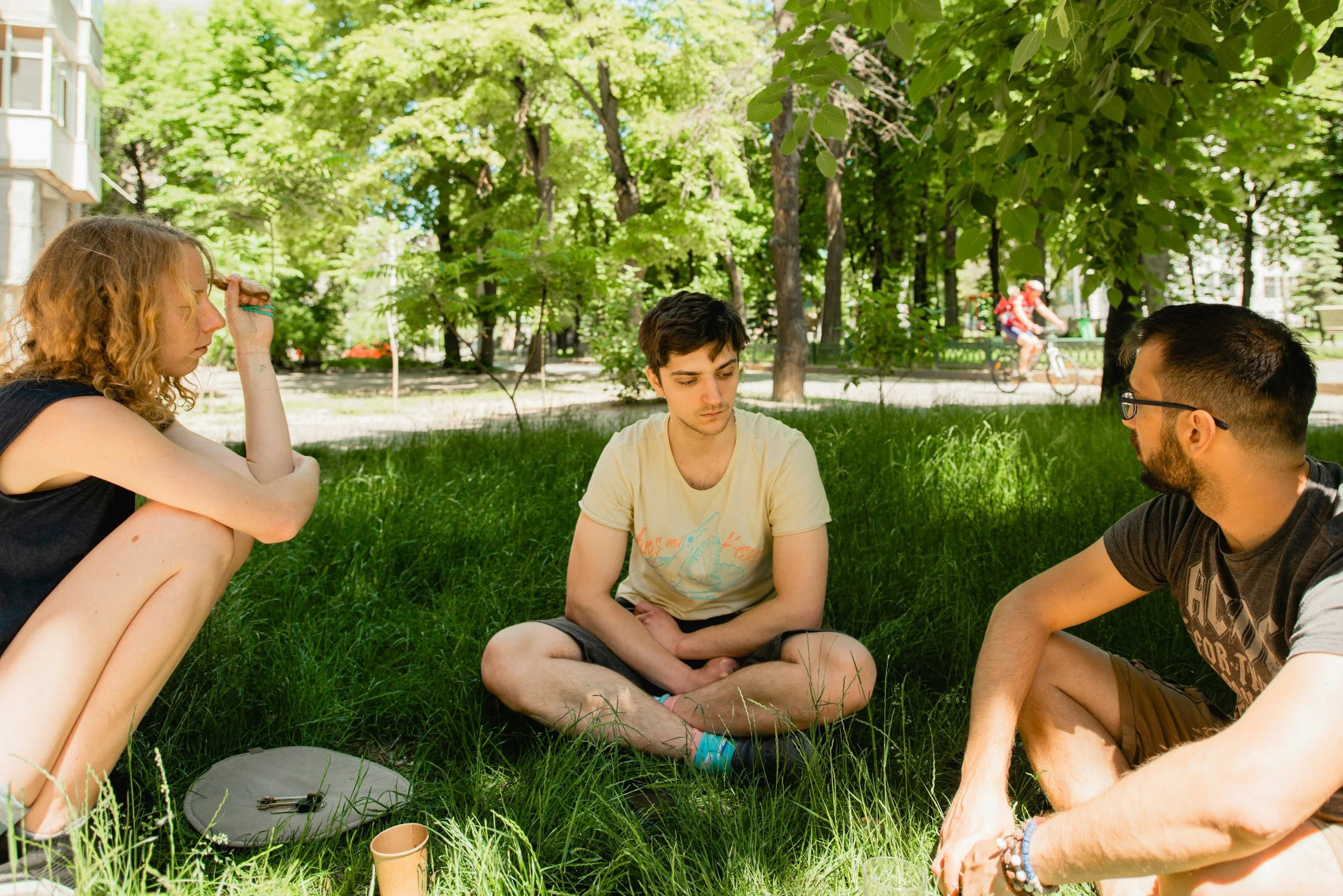
For teenagers, the social landscape shifts from structured play to complex, unspoken emotional rules, online spaces, and identity formation.
Focus on Shared-Interest Communities: The easiest bridge to teenage connection is a shared passion. Help them find clubs, gaming groups, robotics teams, art classes, or theater groups. When an activity anchors the room, the pressure to make exhausting small talk melts away.
Validate Digital Friendships: For many neurodiverse teens, online spaces (like Discord servers or gaming communities centered around their special interests) feel safer, less sensory-taxing, and easier to navigate than a crowded school hallway. As long as it is safe and balanced, recognise these as genuine, valuable friendships.
Co-Create a "Social Battery" Plan: Teenagers need autonomy. Sit down and agree on an exit strategy before they go to social events. Create a subtle text code (like sending a specific emoji) that means "I’m socially drained, please come pick me up, no questions asked."
Decode the "Hidden Rules" of High School: Neurotypical teens communicate heavily through sarcasm, subtext, and facial expressions. Without judgment, help your teen decode confusing situations. You can use TV shows or movies as a tool: "Did you notice how her voice changed there? That usually means she's being sarcastic."